Feeling broke on a decent salary is frustrating because it creates guilt. You assume the problem must be discipline. In reality, it is often a combination of invisible spending, delayed review, rising lifestyle expectations, and a system that does not show where the money is actually going.
1. Why Income Alone Does Not Create Clarity
Income increases capacity, but it does not automatically create structure. If the money arrives and spreads across subscriptions, dining, travel, shopping, bills, and irregular costs without a plan, the experience still feels unstable.
Higher income can even delay awareness because mistakes take longer to become obvious.
2. Lifestyle Creep and Invisible Upgrades
Lifestyle creep rarely arrives as one dramatic decision. It usually appears as convenience upgrades, nicer defaults, and small recurring choices that slowly become normal.
More delivery meals, more subscriptions, easier spending approvals, frequent upgrades, and less attention to small recurring costs can quietly absorb most of a raise.
3. The Hidden Cash Flow Problem
Many people feel broke not because their yearly income is too low, but because their monthly cash flow is unstructured. Annual premiums, irregular purchases, travel, gifts, and repairs hit without preparation, so every month feels reactive.
Stable money often comes from preparation, not just earning. Predictable irregular expenses need a place in your system before they arrive.
4. Why This Is Usually a Visibility Problem
When spending is not tracked consistently, your brain fills in the gaps with assumptions. That is why people often say they are not sure where the money went. The money did not disappear. It moved through categories that were never made visible enough to challenge.
5. A Practical Reset Plan
Start with one month of honest tracking. Not perfect tracking. Honest tracking. Then review the largest categories, recurring charges, and irregular expenses that keep destabilizing your month.
- Track everything for 30 days.
- List all recurring charges.
- Identify your three biggest spending leaks.
- Create one or two savings buffers for predictable irregular costs.
- Decide where new income should go before the next payday arrives.
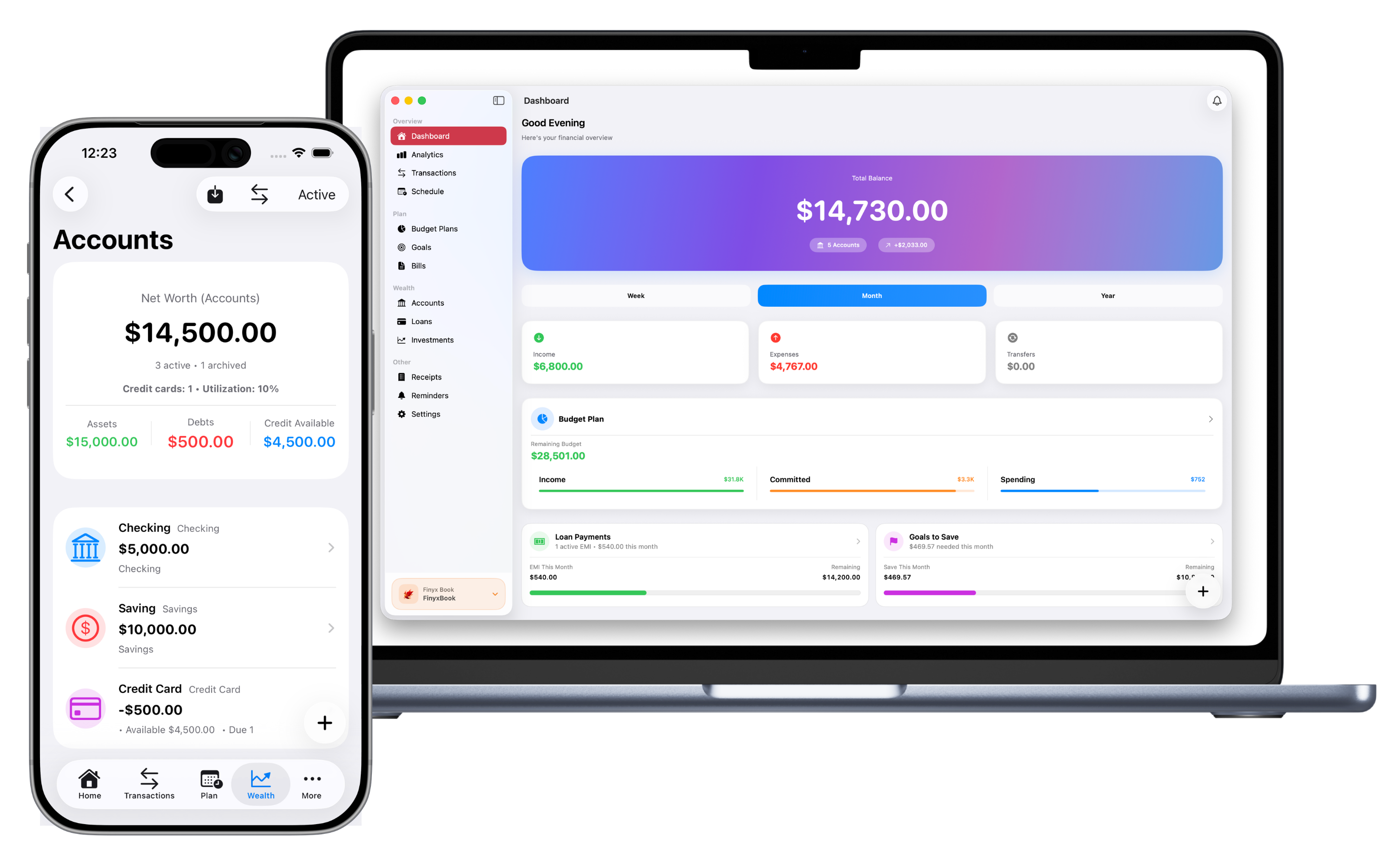
6. What to Do in FinyxFin
- Track expenses and income in one place so cash flow becomes visible quickly.
- Use categories to find where raises are being absorbed.
- Create goals for savings and debt so extra income gets assigned intentionally.
- Use multiple books if you want to separate personal, family, freelance, or project finances.
Final Thoughts
Feeling broke on a good salary is often a systems problem, not proof that you are failing. The fix is usually better visibility, clearer pre-decisions, and fewer money leaks hiding inside convenience.
When your money has structure, income starts to feel useful instead of slippery.