People often start budgeting with good intentions and then quietly stop. That usually gets interpreted as lack of discipline. But budgeting systems are often built in ways that are too demanding, too idealized, or too judgment-heavy to survive normal life.
1. Why People Really Quit Budgeting
People quit when the system asks too much. Too many categories, too many corrections, unrealistic targets, and the feeling of constantly being behind can make budgeting emotionally expensive.
2. The Guilt Cycle That Makes Budgeting Worse
Once a person feels they have broken the budget, they often disengage entirely. One overspent category becomes a reason to stop reviewing the whole month.
A budget works better when it acts like feedback, not judgment.
3. Too Much Detail Too Early
Many people try to build a perfect system immediately. They mistake complexity for seriousness. But detail only helps if it stays usable on ordinary days.
A highly detailed budget may feel impressive on setup day and exhausting by week three.
4. Build an Easier Budgeting Habit
Keep categories broad, review weekly, and focus on patterns instead of perfection. A budget that survives imperfect months is stronger than one that works only under ideal conditions.
5. How to Review Without Drama
Look for useful questions: What category drifted? What recurring cost deserves attention? What irregular expense needs planning? That mindset keeps review practical instead of shame-driven.
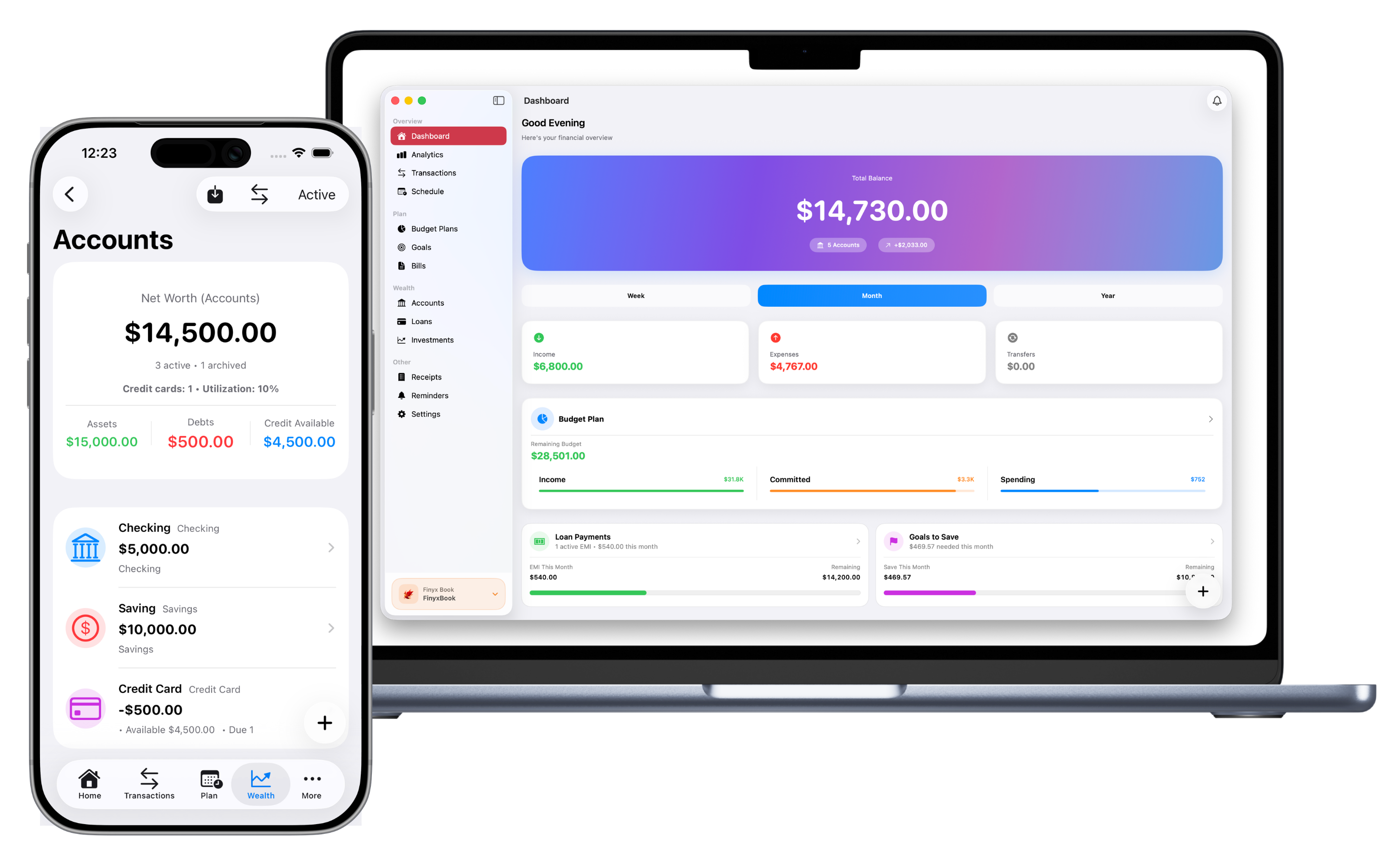
6. What to Do in FinyxFin
- Create simple budgets you can maintain without constant micromanagement.
- Review transactions and category progress in one place.
- Track goals and bills alongside budgets so the system feels connected.
- Use visibility to adjust calmly instead of abandoning the plan when a month gets messy.
Final Thoughts
People usually do not need more guilt to budget better. They need a system with less friction, more honesty, and a review process that supports them instead of punishing them.
When the budget becomes easier to maintain, consistency becomes much more likely.