The 50/30/20 rule sounds appealing because it is easy to remember. Half for needs, thirty percent for wants, and twenty percent for savings or debt. But many people discover quickly that real life is not that neat. Housing markets vary, family obligations vary, and income patterns vary.
1. What the 50/30/20 Rule Is
The rule divides after-tax income into three broad buckets: needs, wants, and savings or debt repayment. Its appeal is simplicity. It gives people a fast structure when they do not know where to begin.
2. Why People Like It
It reduces decision fatigue. It is easy to explain, easy to remember, and broad enough to avoid category overload. For someone who has never budgeted before, that can be useful.
Broad buckets are often easier to maintain than highly detailed category systems, especially at the beginning.
3. Where It Breaks in Real Life
The rule breaks when fixed costs are too high, incomes are irregular, or local realities make the percentages unrealistic. A person in a high-rent city may spend much more than fifty percent on needs. A freelancer may not have steady monthly income. Someone paying down aggressive debt may want a far higher savings-and-payoff share for a season.
A rigid percentage can make a workable budget feel like failure even when the real problem is that the template does not match the person.
4. A More Flexible Framework
A better approach is to begin with broad buckets, then adjust them to reflect actual life. Instead of worshipping a ratio, use one that helps you make decisions. Essentials, flexible spending, and future priorities still work well, but the percentages should follow your reality.
5. When the Rule Still Helps
The 50/30/20 rule still helps as a conversation starter, a rough check-in, or a temporary benchmark if you need something simple. The problem is not the rule itself. The problem is treating it like law.
Use percentage rules as lenses, not as verdicts.
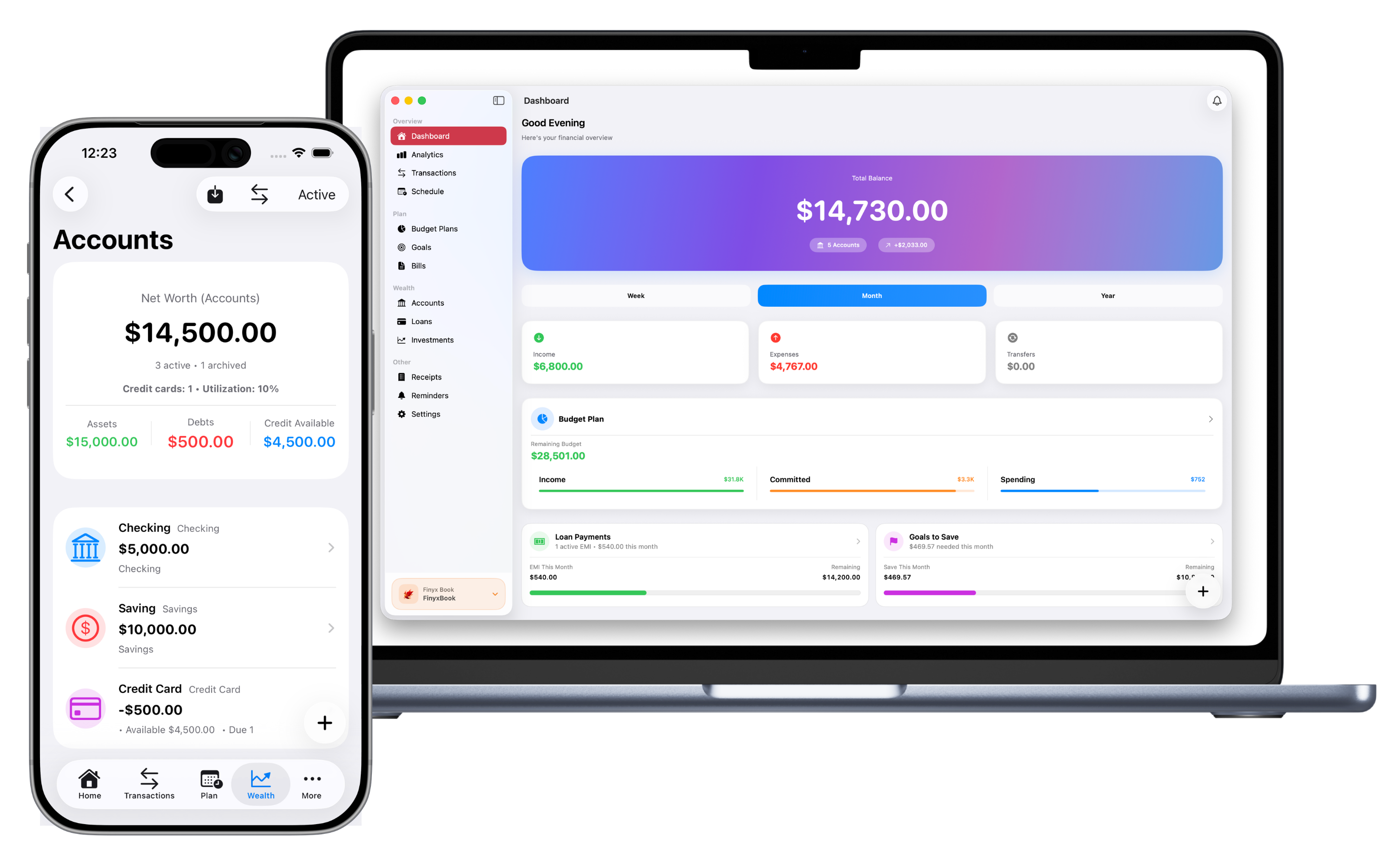
6. What to Do in FinyxFin
- Create practical budgets based on your real cash flow instead of forcing generic ratios.
- Track actual category spending and compare it with your intended plan.
- Use goals to carve out money for the future even when percentages fluctuate month to month.
- Review trends over time so your budget evolves with your life.
Final Thoughts
Budget rules are most useful when they help you start, not when they make you feel permanently behind. A useful budget reflects your real life closely enough that you can keep using it.
When the system fits reality, your money decisions get calmer, faster, and more sustainable.