One of the biggest reasons salary feels like it vanishes is timing. People often wait until bills and spending happen, then try to save or plan with whatever remains. That reverses the process. Financial control improves when you assign jobs to your money early, while choices are still open.
1. Why Payday Planning Matters
Salary planning is not about micromanaging every rupee or dollar. It is about preventing the month from becoming reactive. When your paycheck arrives without a plan, urgent and convenient spending usually wins.
2. The Core Buckets to Assign First
Start with essentials, then future priorities, then flexible spending. This order matters because it protects stability first and goals second, instead of leaving both to chance.
- Essentials: rent, utilities, groceries, transport, insurance.
- Future priorities: emergency fund, sinking funds, debt payoff, investing.
- Flexible spending: dining out, shopping, entertainment, convenience spending.
3. Do Not Forget Irregular Expenses
Annual renewals, travel, gifts, repairs, and school or seasonal expenses are where many salary plans fail. These costs are not surprises. They are simply not monthly.
Salary planning improves dramatically when you include expenses that are predictable but not monthly.
4. A Simple Payday Routine
Take ten to fifteen minutes on salary day. Review known bills, move money toward the current month’s top goals, and decide what flexible spending looks like before the month picks for you.
- Review fixed bills and upcoming due dates.
- Fund one or two savings priorities first.
- Check debt or investment contributions.
- Set realistic discretionary limits.
5. Common Paycheck Planning Mistakes
Common mistakes include planning too late, assuming irregular costs will somehow not happen this month, and creating a plan so idealized that it breaks after three days.
6. What to Do in FinyxFin
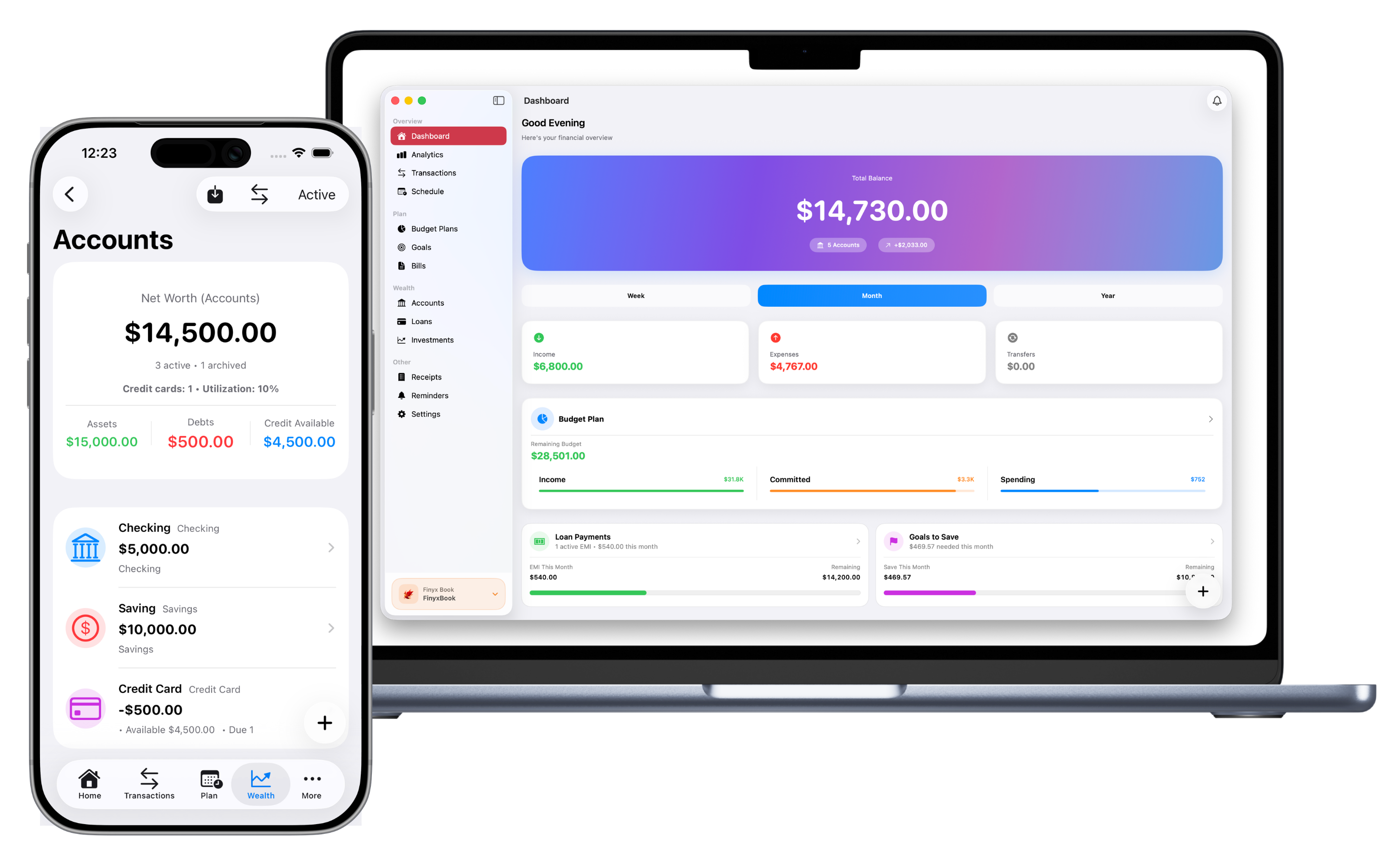
- Review budgets, goals, bills, and debt from one place on payday.
- Create or update monthly budgets as soon as income arrives.
- Track progress on goals so savings are assigned intentionally, not accidentally.
- Use reminders and bill visibility to reduce late surprises during the month.
Final Thoughts
Planning your salary early creates room for better decisions later. It turns income into a tool instead of a stream of reactive spending choices.
You do not need a complicated ritual on payday. You need a short, honest system that makes the next month easier to manage.