Your first major savings milestone matters because it proves you can build stability intentionally. It is not just about the number. It is about reducing panic, building trust in yourself, and turning saving from an abstract idea into visible progress.
1. Why the First Milestone Matters
The first big milestone often matters more emotionally than financially. It tells you that you are no longer living only in reaction mode. Even a modest savings buffer creates options and reduces stress.
2. Choose a Number With a Purpose
Your target should mean something. For some people, it is a starter emergency fund. For others, it is a deductible, a rent buffer, a travel reserve, or the first major step toward debt reduction.
A named target is easier to protect than a vague intention to save more.
3. Where the Money Can Come From
The money usually comes from a mix of spending cuts, delayed purchases, temporary saving sprints, and extra income. Trying to do it through one lever alone is often what makes people quit.
- Trim two or three low-value recurring costs.
- Run a focused 30-day spending reset.
- Sell unused items.
- Redirect one bonus, refund, or side income payment.
4. Make Progress Visible
People are more likely to keep saving when they can see movement. Hidden progress feels weak. Visible progress feels motivating.
5. Mistakes That Slow People Down
Common mistakes include trying to save and improve every financial area at once, choosing a target with no emotional meaning, and treating one bad month as proof that the plan failed.
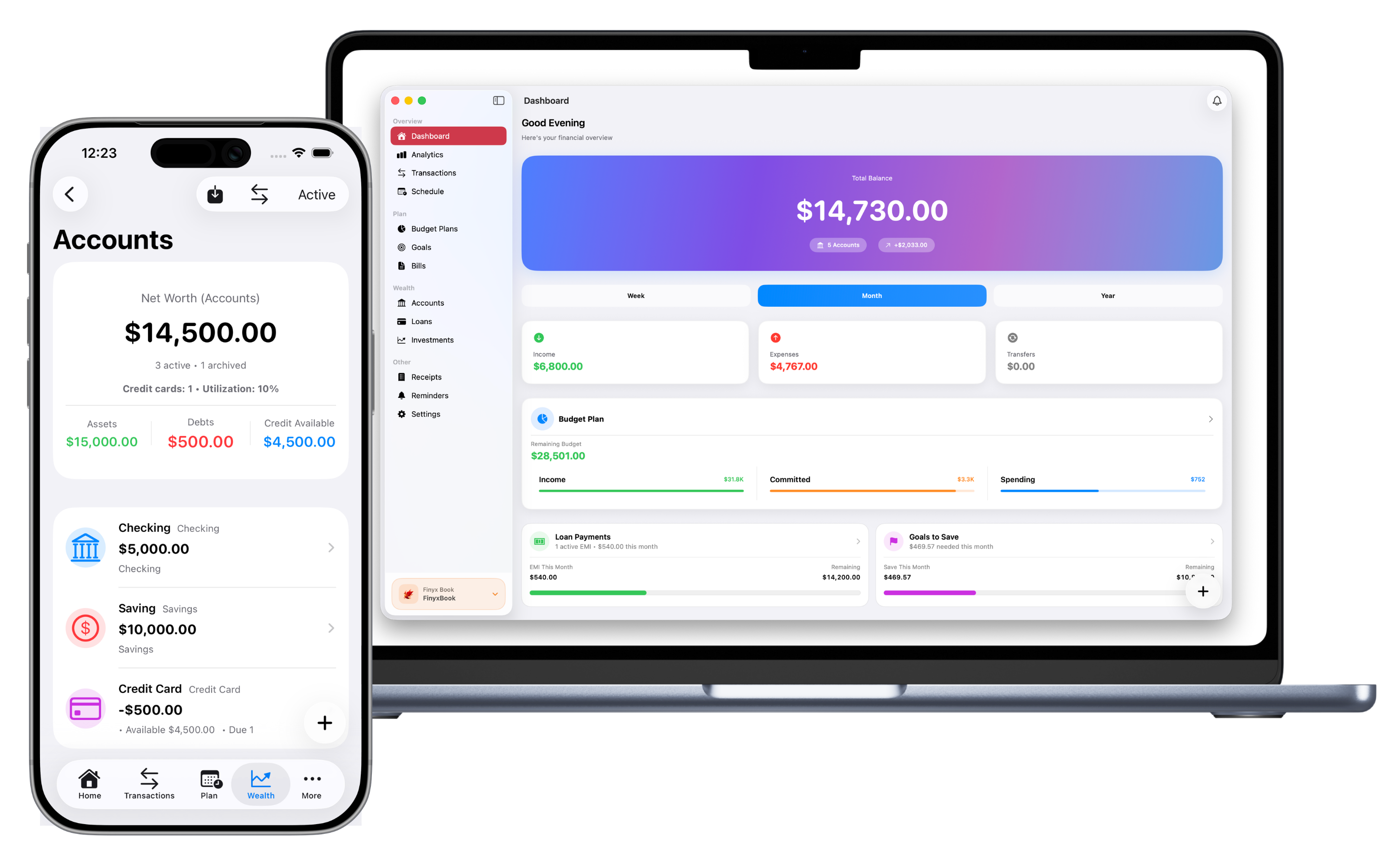
6. What to Do in FinyxFin
- Create a goal with a clear amount and name so the target feels concrete.
- Track contributions and progress visually.
- Use budgets to identify where short-term savings capacity can come from.
- Review spending history to see which changes are actually helping.
Final Thoughts
The first serious savings milestone is powerful because it changes your relationship with money. It gives you evidence that stability can be built deliberately, even if you are starting small.
Once that first milestone is in place, the rest of your financial system usually starts feeling more possible.