Saving money quickly can be useful when you need a starter emergency fund, want to recover from a setback, or need cash for a short-term priority. But the mistake many people make is trying to save fast with a plan so restrictive that they quit halfway through. The goal is speed without burnout.
1. When Saving Fast Makes Sense
Fast saving is different from long-term frugality. It works best when it has a clear deadline, a specific purpose, and a visible target. If the money has no job, urgency fades fast and motivation usually fades with it.
Building a starter emergency fund, preparing for a move, covering a deductible, or rebuilding savings after a financial hit are all strong reasons to save quickly for a short window.
2. Start With the Biggest Spending Levers
People often begin by stressing over tiny purchases while ignoring the categories that actually move the needle. If you need to save quickly, start where the dollars are largest: food, transportation, subscriptions, insurance, and discretionary lifestyle spending.
This does not always require a permanent change. Sometimes it just means negotiating a bill, pausing subscription sprawl, reducing takeout for a month, or delaying a nonessential purchase you had already mentally approved.
Cutting three streaming services, reducing takeout for a month, and postponing one discretionary purchase usually saves more than weeks of obsessing over every coffee.
3. Cut the Easy Noise First
Fast saving becomes easier when you remove the spending that adds little real value. This is the “low emotional cost” category—payments you barely notice, purchases made from habit, and convenience spending that feels small one at a time.
- Duplicate subscriptions
- Impulse online purchases
- Frequent delivery meals
- Unused memberships
- Routine convenience buys that are more habit than need
4. Use a Short Saving Sprint
A short saving sprint often works better than an open-ended promise to “be better with money.” Give yourself a defined window—two weeks, thirty days, or one billing cycle—and make the goal specific.
This is where approaches like a no-spend challenge, pantry week, or category-specific reset can help. The point is not drama. The point is visibility and momentum.
Short-term intensity is often easier to sustain than vague permanent restriction. A focused 30-day reset can outperform a harsh lifestyle change you abandon after five days.
5. Increase Income for a Short Window
Fast saving is not only about cutting. Sometimes the fastest path is bringing in more. Selling unused items, taking on a short freelance project, doing a temporary side hustle, or offering a service locally can accelerate your target without asking your budget to do all the work alone.
Someone who sells unused electronics, trims a few recurring expenses, and redirects one weekend of side income can reach a starter savings goal much faster than relying on cuts alone.
6. How to Avoid Burnout While Saving Fast
The biggest reason fast-saving plans fail is that they feel punitive. If every dollar saved feels like deprivation, the plan becomes emotionally expensive even when the math works.
A better system is visible, finite, and purposeful. Know what you are saving for. Track progress often. Keep the plan intense enough to matter but not so severe that it collapses.
Clarity, progress, and a visible target usually sustain motivation better than sheer willpower.
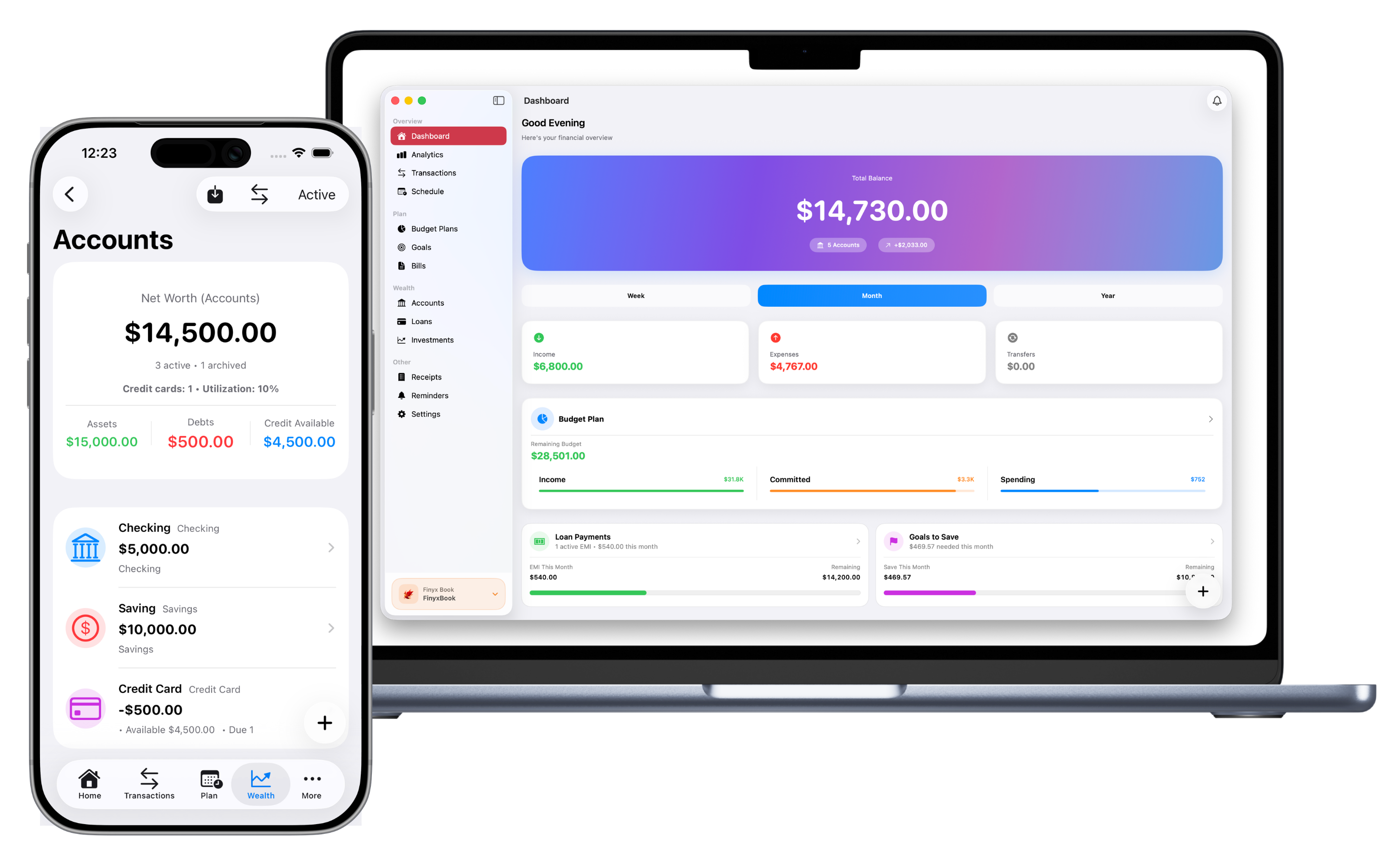
7. What to Do in FinyxFin
Fast saving works better when you can see it happening. The moment progress becomes visible, the plan feels less like restriction and more like momentum.
- Create a goal for the exact amount you want to save and give the sprint a clear finish line.
- Track daily spending so money leaks stop hiding inside your month.
- Create simple budgets for the categories you are tightening temporarily, like delivery or discretionary spending.
- Use notes and transaction history to compare what changed during your saving sprint.
Final Thoughts
Saving money fast does not have to mean making life miserable. It works best when you focus on the highest-impact changes, keep the timeframe short, and give each saved dollar a clear purpose.
Fast saving is not meant to become your entire lifestyle. It is a temporary push that creates momentum, confidence, and breathing room—so your money starts feeling manageable again.